

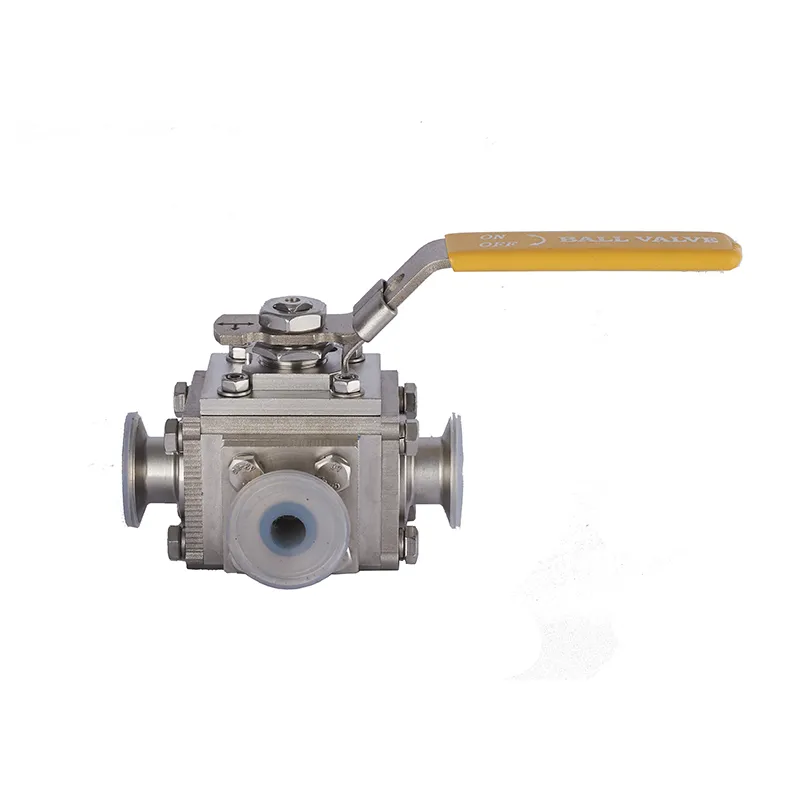
How to Create a Drainage Procedure with a Tank Bottom Valve
Introduction
Drainage procedures are essential for maintaining the integrity of storage tanks, ensuring safe operations, and preventing contamination or hazardous conditions. A tank bottom valve (TBV) is a critical component in this process, allowing controlled drainage of liquids, sediments, or residues from the tank. This guide provides a step-by-step procedure for safely and effectively draining a tank using a bottom valve while adhering to best practices in safety, environmental protection, and operational efficiency.
---
1. Pre-Drainage Preparations
Before initiating the drainage process, thorough preparation is necessary to ensure safety and compliance with regulatory standards.
1.1 Safety Considerations
- Personal Protective Equipment (PPE): Workers must wear appropriate PPE, including gloves, safety goggles, chemical-resistant clothing, and steel-toe boots.
- Hazard Assessment: Identify potential hazards such as flammable liquids, toxic vapors, or high-pressure conditions.
- Ventilation: Ensure proper ventilation if draining volatile or hazardous substances.
- Emergency Preparedness: Have spill containment kits, fire extinguishers, and emergency eyewash stations readily available.
1.2 Equipment Inspection
- Tank Bottom Valve Check: Inspect the valve for leaks, corrosion, or mechanical damage.
- Piping and Connections: Verify that all connected pipes, hoses, and fittings are secure and free from blockages.
- Drainage Containers: Ensure secondary containment is in place to prevent spills.
1.3 Regulatory Compliance
- Review local, state, and federal regulations regarding tank drainage (e.g., EPA, OSHA, or industry-specific guidelines).
- Obtain necessary permits if discharging hazardous materials.
---
2. Step-by-Step Drainage Procedure
Follow this structured procedure to safely drain a tank using the bottom valve.
2.1 Isolate the Tank
- Shut off all inlet and outlet valves to prevent additional liquid from entering the tank.
- Disconnect any pumps or agitators that may interfere with drainage.
2.2 Verify Tank Contents
- Check the tank’s contents to confirm the type of liquid, viscosity, and potential hazards.
- If draining hazardous materials, ensure proper disposal methods are arranged.
2.3 Position Drainage Equipment
- Connect a hose or pipe to the tank bottom valve leading to a collection vessel or drainage system.
- Ensure the drainage path is secure and leak-proof.
2.4 Open the Tank Bottom Valve Slowly
- Gradually open the valve to control the flow rate and prevent sudden pressure changes.
- Monitor the drainage process to detect any abnormalities (e.g., leaks, blockages).
2.5 Monitor Drainage Progress
- Observe the flow rate and adjust the valve as needed.
- If draining viscous liquids, consider using a pump to assist in complete drainage.
2.6 Complete Drainage and Close the Valve
- Once the tank is fully drained, close the bottom valve securely.
- Inspect the tank interior (if accessible) to ensure no residual liquid remains.
2.7 Post-Drainage Procedures
- Disconnect hoses and clean any spills or residues.
- Properly label and store drained materials for disposal or reuse.
- Document the drainage process, including volume drained and any observations.
---
3. Maintenance and Troubleshooting
Proper maintenance of the tank bottom valve ensures long-term reliability.
3.1 Routine Maintenance
- Lubricate valve stems and seals periodically.
- Inspect for corrosion, wear, or leaks after each use.
- Replace damaged components promptly.
3.2 Common Issues and Solutions
- Leaking Valve: Tighten connections or replace gaskets.
- Blocked Valve: Flush with a compatible solvent or mechanically clear obstructions.
- Slow Drainage: Check for pipe restrictions or excessive liquid viscosity.
---
4. Environmental and Safety Best Practices
- Spill Prevention: Use secondary containment to capture accidental releases.
- Waste Disposal: Follow proper disposal protocols for hazardous materials.
- Training: Ensure personnel are trained in safe drainage procedures and emergency response.
---
Conclusion
A well-structured drainage procedure using a tank bottom valve ensures operational safety, regulatory compliance, and environmental protection. By following these steps—preparation, controlled drainage, post-drainage checks, and maintenance—operators can minimize risks and maintain efficient tank operations. Regular training and adherence to safety protocols further enhance the reliability of this critical process.
This guide provides a comprehensive approach to tank drainage, applicable across various industries while maintaining a focus on safety and efficiency.
Trang web này sử dụng cookie để đảm bảo bạn có được trải nghiệm tốt nhất trên trang web của chúng tôi.
 English
 Pусский
 हिन्दी
 українська
 Search



 Điện thoại
Bình luận
(0)