

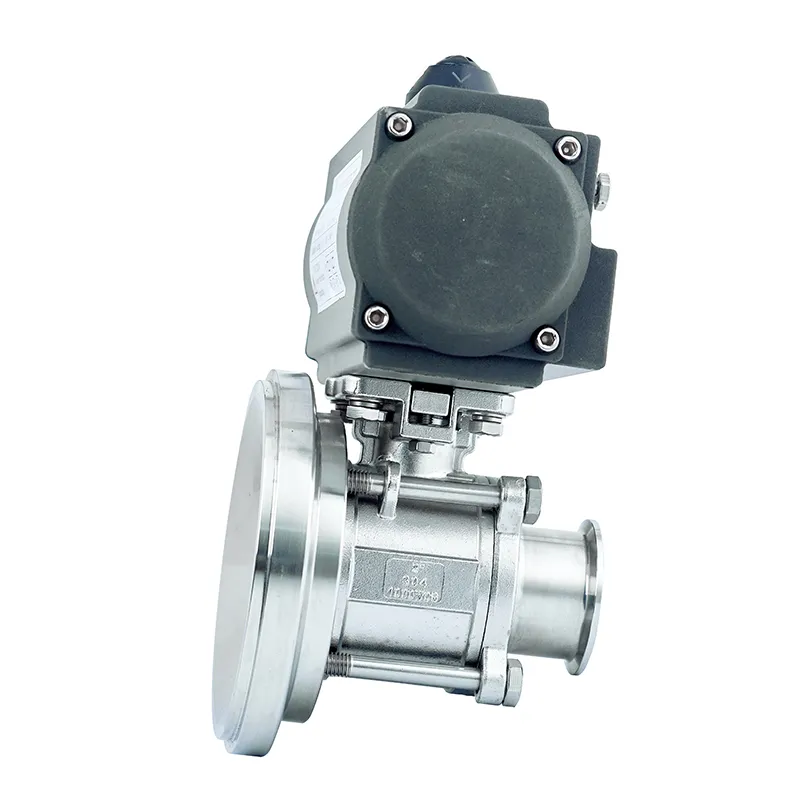
Common Sanitary Butterfly Valve Failures and How to Avoid Them
Introduction
Sanitary butterfly valves are widely used in industries that require strict hygiene standards, such as food and beverage, pharmaceuticals, biotechnology, and cosmetics. These valves are designed to handle clean and sterile processes, ensuring minimal contamination and easy cleaning. However, like any mechanical component, sanitary butterfly valves can experience failures that compromise their performance and the integrity of the system.
Understanding common failure modes and implementing preventive measures can significantly extend the lifespan of sanitary butterfly valves while maintaining process efficiency and safety. This article explores the most frequent failures of sanitary butterfly valves and provides practical solutions to avoid them.
1. Seal Leakage
Causes
Seal leakage is one of the most common issues with sanitary butterfly valves. The primary causes include:
- Wear and Tear: Over time, the elastomeric seals (such as EPDM, PTFE, or silicone) degrade due to repeated cycling, pressure fluctuations, or chemical exposure.
- Improper Installation: Misalignment during installation can cause uneven compression of the seal, leading to leaks.
- Temperature and Chemical Incompatibility: Using seals that are not compatible with process media or operating temperatures can cause swelling, hardening, or cracking.
Prevention and Solutions
- Select the Right Seal Material: Ensure the seal material is compatible with the process fluid (e.g., EPDM for hot water, PTFE for aggressive chemicals).
- Regular Inspection and Replacement: Schedule routine maintenance to check for seal wear and replace them before failure.
- Proper Installation: Follow manufacturer guidelines for torque settings and alignment to ensure uniform compression.
- Use Double-Seal Designs: For critical applications, consider valves with dual seals for added security.
2. Disc Sticking or Binding
Causes
The disc (butterfly) may stick or become difficult to operate due to:
- Buildup of Deposits: Process residues (e.g., sugar, protein, or minerals) can accumulate on the disc or seat, restricting movement.
- Corrosion or Scaling: In corrosive environments, metal components may corrode, leading to friction.
- Misalignment or Warping: Excessive torque during installation or thermal expansion can deform the disc.
Prevention and Solutions
- Regular Cleaning: Implement CIP (Clean-in-Place) or SIP (Sterilize-in-Place) procedures to prevent residue buildup.
- Use Corrosion-Resistant Materials: Choose valves made of 316L stainless steel or coated with protective layers.
- Lubricate Moving Parts: Apply food-grade lubricants to the stem and disc pivot points (if applicable).
- Avoid Over-Tightening: Follow recommended torque values during installation.
3. Stem Failure
Causes
The stem connects the actuator to the disc and is prone to:
- Corrosion or Wear: Exposure to aggressive media can weaken the stem.
- Excessive Torque: Over-tightening or high actuator forces can bend or break the stem.
- Fatigue Failure: Repeated cycling can lead to metal fatigue.
Prevention and Solutions
- Use High-Quality Materials: Opt for hardened stainless steel or coated stems for durability.
- Proper Actuator Sizing: Ensure the actuator matches the valve’s torque requirements.
- Regular Maintenance: Inspect the stem for signs of wear, corrosion, or bending.
4. Cavitation and Water Hammer
Causes
- Cavitation: Rapid pressure drops cause vapor bubbles to form and collapse, damaging valve surfaces.
- Water Hammer: Sudden valve closure creates pressure surges, leading to shock waves in the pipeline.
Prevention and Solutions
- Gradual Valve Operation: Use slow-closing actuators to minimize water hammer.
- Pressure Control: Install pressure relief valves or surge suppressors.
- Avoid High-Velocity Flow: Design the system to maintain stable flow rates.
5. Actuator Malfunction
Causes
- Electrical or Pneumatic Failure: Power loss, air leaks, or solenoid issues.
- Mechanical Wear: Gears, linkages, or seals degrade over time.
Prevention and Solutions
- Regular Testing: Perform functional checks on actuators.
- Use Redundant Systems: For critical processes, install backup actuators.
- Proper Lubrication and Sealing: Maintain pneumatic or electric actuators as per guidelines.
Conclusion
Sanitary butterfly valves are critical for maintaining hygiene in sensitive industries, but they are susceptible to failures such as seal leakage, disc sticking, stem failure, cavitation, and actuator issues. By selecting appropriate materials, ensuring proper installation, performing regular maintenance, and optimizing process conditions, these failures can be minimized. Implementing preventive measures will enhance valve reliability, reduce downtime, and ensure compliance with industry standards.
By understanding these common failure modes and their solutions, engineers and maintenance personnel can improve the longevity and efficiency of sanitary butterfly valve systems.
Trang web này sử dụng cookie để đảm bảo bạn có được trải nghiệm tốt nhất trên trang web của chúng tôi.
 English
 Pусский
 हिन्दी
 українська
 Search



 Điện thoại
Bình luận
(0)